About
ブログ

軽い読み物に興味はありますか?

当ブログでは、色と見た目のニーズを向上させるための役立つ教育情報、アドバイス、研究結果、洞察を継続的に更新しています。ドリンクを片手に、私たちのストーリーをお楽しみください!

ストーリーを探索する

"Best Practices for Measuring the Color of Safflower Oil"

読む

Explore Our Products

もっと見る

"Kemin Ensures Quality Using HunterLab Spectrophotometers"

読む

"Grain Industry Color Standards"

読む

"Best Practices to Measure the Color of Candy"

読む

"How Color Signifies Freshness in Canned Tomato Paste"

読む

"What Is the Best Way to Measure the Color of Vegetable Oil?"

読む

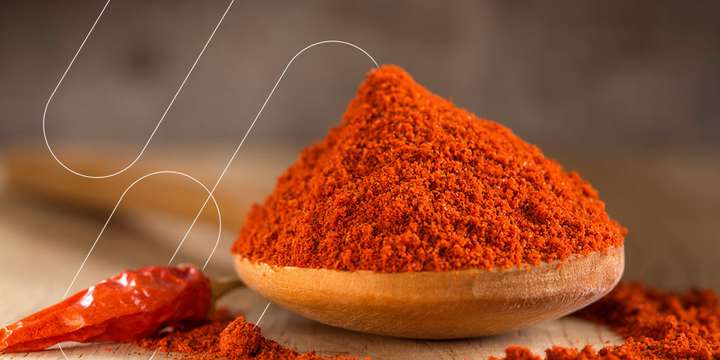
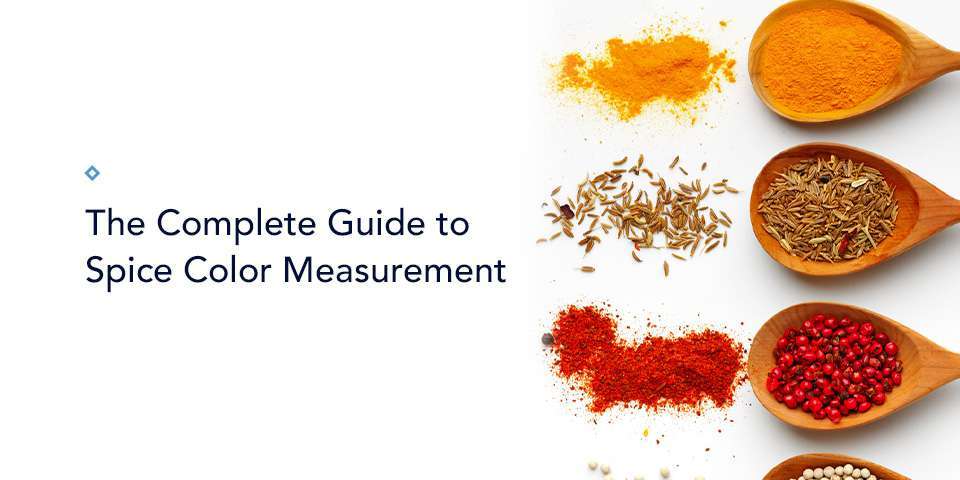
"How to Measure the Color of Spices With the ColorFlex L2"

読む

Best Practices for Measuring the Color of Safflower Oil

Posted on 5月 25, 2026 by HunterLab

紅花油の汎用性は多くの企業と消費者に価値をもたらす。調理においては発煙点が高いため、揚げ物用の植物油の代替として有効である。化粧品メーカーは肌への優しさを評価し、芸術家は絵具の調合に亜麻仁油よりも好んで使用する。

一貫した色調は、製品が風味・品質・安全性の期待を満たすことを保証し、加工工程のあらゆる段階で紅花油の正確な色測定の必要性を強調しています。

紅花油の色に影響を与える要因は何か?

天然原料の差異から加工・貯蔵方法の変化に至るまで、様々な要因が紅花油の色に影響を及ぼす可能性があります:

  • 種皮と花弁:ベニバナの種皮と花弁の色は、代謝産物やリノール酸の色を変化させ、油の色調の差異を生じさせる。
  • 焙煎温度: 焙煎中に温度が上昇するにつれ、種子の色は淡い黄色から黄金色、さらに深い茶色へと変化します。
  • 保存方法: 保存環境における光や空気の質の違いにより、油は著しい変化を起こす可能性があります。例えば、長時間の過剰な光や紫外線への曝露は、ベニバナ油を褪色させることがあります。

Posted in Food

Kemin Ensures Quality Using HunterLab Spectrophotometers

Posted on 3月 17, 2026 by HunterLab

カラー精度によるブランド価値の保護

原料の色調の不一致は、製造業者に不良ロット、規制上の遅延、消費者信頼の喪失といった形で数百万ドルの損失をもたらす可能性があります。グローバル原料リーダーであるケミン・インダストリーズにとって、色の正確性を確保することは単なる美観の問題ではなく、製品品質と顧客満足度の核心です。そのためケミンは、食品やペット栄養など500種類以上の原料ソリューションの品質を保護するため、ハンターラボの先進的な分光光度計を採用しています。

ケミンは20カ国以上で15の生産施設を運営しており、多様な原料形態における視覚的な均一性を維持するという複雑な課題に直面しています。粉末や顆粒から液体やペレットに至るまで、顧客が求めるのは一貫性です。競争の激しいベーカリー・スナック市場において、わずかな色調の差異でさえ酸化や加工ミス、保存期間のリスクを示す可能性があります。

課題:品質に影響を与える前に酸化変化を検出する

脂質由来の酸化は、製パン・スナック業界における根強い課題である。油脂が劣化するにつれ、他の官能特性が変化する以前から、原料の色が明らかに暗くなる。こうした初期の変化は、顧客満足度の低下や品質検査の不合格につながる可能性がある。

ケミンにとって、こうした微妙な変化を早期に検出することは、品質への約束を果たす上で不可欠です。同社が必要としたのは、次のようなソリューションでした:

  • 微妙な色の変化さえも捉えるほどに敏感である
  • 施設や原料の種類を問わず拡張可能
  • 操作が容易で、ユーザー間のばらつきが少ない

Posted in Food

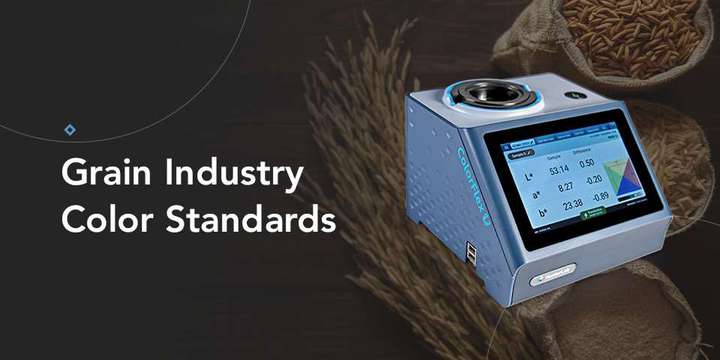
Grain Industry Color Standards

Posted on 2月 26, 2026 by HunterLab

Grains are integral to our everyday diets, from rice and flour to cereals, baked goods, and pasta. The color of raw grains contributes directly to their nutritional value, while the color of final goods can influence consumer buying preferences and quality perceptions. Understanding and following industry standards for grain color helps manufacturers maintain quality control, reduce waste, and boost customer satisfaction.

Applicable Color Standards in the Grains Industry

The United States Department of Agriculture is the main government oversight body for raw grains, and its color standards are used for classification and grading. Color can also help determine a grain's suitability for a specific application, as color variances can indicate damage that falls outside allowable tolerances for certain purposes.

The Cereals and Grains Association is the primary industry organization that develops color standards for grain manufacturers and processors. For example, the association has established color benchmarks and measuring methods for pasta products and durum flours. These standards are also compatible with those issued by AOAC International, which upholds standards across the broader agricultural chemistry field.

Posted in Food

Best Practices to Measure the Color of Candy

Posted on 2月 13, 2026 by HunterLab

キャンディといえば、まず思い浮かぶのはその色である。この甘いお菓子は鮮やかな虹色をまとっているからだ。キャンディにおいて見た目が重要である以上、製造者は業界のベストプラクティスに従い、消費者が楽しめる体験を保証すべきである。

色の重要性を考慮する

測定を始める前に、キャンディにおいて色が重要な理由を把握しておきましょう。消費者は食品を見た目に基づいて判断し、色は品質や味に対する期待値を設定します。こうした期待値を超えて、色は顧客が製品を購入するかどうかに影響を与えます。消費者は品質の信頼できる指標として、一貫した色を提供するブランドを繰り返し選びます。

Posted in Food

How Color Signifies Freshness in Canned Tomato Paste

Posted on 2月 05, 2026 by HunterLab

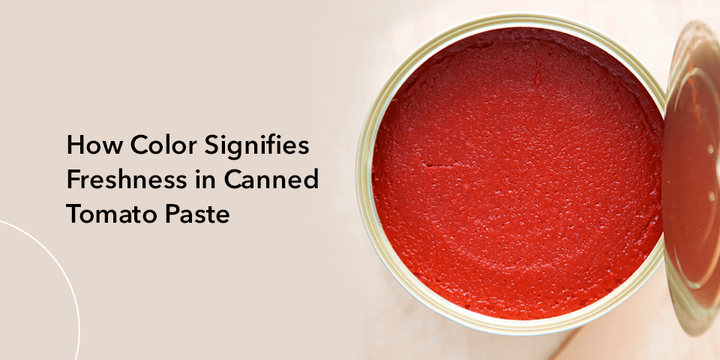
The desired red color of canned tomato paste comes from a mature tomato fruit with a sweet flavor and high concentration of lycopene. The United States Department of Agriculture (USDA) uses the tomato paste score (TPS) to grade the product and ensure it meets quality and consumer expectations.

Color and appearance matter because they are the first purchasing factors customers consider. When customers cook with tomato paste, they have certain expectations tomato paste manufacturers must meet to indicate the product's freshness.

What Color Should Tomato Paste Be? 

Consumers expect tomato paste from fresh tomatoes to be red or deep red. When the USDA first established tomato paste color classifications, ratings relied on visual assessments.

The USDA has three color classifications for tomato paste:

  1. Grade A: The tomato paste is a “good color” of a bright red and scores 45 to 50 points.
  2. Grade C: The tomato paste has a “fairly good color,” generally red with a dull or brown cast, and scores 40 to 44 points.
  3. Substandard: The tomato paste fails to meet Grade C standards and scores 0 to 39 points.

What Causes Color Changes in Tomato Paste?

Various factors may lead to browning or other color changes, including:

  • Oxidation: Tomato paste may be exposed to the air during canning due to improper sealing, which leads to discoloration.
  • High temperatures: Tomato paste may lose pigments due to excessive heat during canning or storage.
  • pH levels: Tomato paste may turn yellow as it ages if the acidity is too high.
  • Light exposure: Tomato paste may lose color over time due to UV light exposure.

Posted in Food

What Is the Best Way to Measure the Color of Vegetable Oil?

Posted on 1月 28, 2026 by HunterLab

大豆油などの植物油は、スナック食品製造からバイオディーゼル燃料開発、業務用揚げ物調理、個人衛生用品生産に至るまで、多くの製品と用途において極めて重要な役割を果たしています。その色調は製品の品質と消費者の認識に直接影響するため、製造工程全体を通じて正確な測定が必要不可欠です。

植物油における色測定の重要性

植物油の色を定量化することは、多くの理由から不可欠である:

  • 品質:食用油において、色と透明度は主要な品質および純度の指標です。一貫した測定は、実施されている品質保証手法の順守を確保し、消費者の信頼を支えます。
  • コスト削減: 精製工程は油の色調に大きな影響を与えます。各段階で色調が許容範囲内であることを確認することで、廃棄物を最小限に抑え、下流工程での漂白やブレンドの問題を防止できます。これらの問題は解決にさらにコストがかかる可能性があります。
  • 業界標準への適合性: 米国油脂化学者協会(AOCS)は、油分析に関する業界ガイドラインを発行しており、これには色測定方法、適切な色モデル、および基準が含まれます。製造契約や仕様書では、同団体の枠組みに従うことが頻繁に要求されます。
  • 規制遵守: 植物油の加工・製造施設は、食品医薬品局(FDA)および米国農務省(USDA)が定める規制を遵守しなければなりません。両機関とも、品質と消費者安全の確保に色調が寄与すると考えています。

Posted in Food

How to Measure the Color of Spices With the ColorFlex L2

Posted on 1月 28, 2026 by HunterLab

スパイスの色測定には、高価なスパイスのコスト管理から効果的な品質管理手順の維持まで、いくつかの課題があります。HunterLabのColorFlex L2は、このような問題やその他の測定上の問題に簡単に対応し、無駄を省き、正確さを保証します。 

スパイスカラーコントロールの課題

スパイスカラーコントロールには、以下のような独特のハードルがある:

  • 米国香辛料貿易協会(ASTA)など、業界標準の管理規定を満たすこと。
  • 生産段階を通じて色の変化を測定し、成熟度が色に与える影響を考慮する。
  • 特に高価なスパイス品種のスペクトルデータ測定におけるコスト管理
  • 食品の安全性が損なわれていることを示す可能性のあるばらつきを特定し、品質管理を維持する。 

ColorFlex L2の利点

ColorFlexL2は、耐久性と信頼性に優れた測色ソリューションで、卓上で場所をとりません。粉末から顆粒まであらゆるものに対応し、製造の様々な段階を通してスパイスの測定に理想的です。このソリューションには、ASTAを含む食品業界のすべてのスケールとインデックスが含まれています。 

たとえ高価なスパイス品種であっても、少量のサンプルを測定し、最終製品の無駄を省くことで、コストを管理することができます。測定結果をエクスポートして、経時的なデータや安全性をモニターすることもできます。 

Posted in Food
前へ
1
2
3
次

関連記事

  • Best Practices for Measuring the Color of Safflower Oil
  • Ensure Ingredient Quality: A Kemin Case Study
  • Grain Industry Color Standards
  • Best Practices to Measure the Color of Candy
  • How Color Signifies Freshness in Canned Tomato Paste
  • What Is the Best Way to Measure the Color of Vegetable Oil?
  • How to Measure the Color of Spices With the ColorFlex L2
もっと見る

Follow Us

  • LinkedInFollow us on LinkedIn
  • YouTubeFollow us on YouTube
  • facebookFollow us on Facebook
  • XFollow us on X (formerly Twitter)
  • instagramFollow us on Instagram